Thinking about trading GTA congestion for more space up north, but unsure whether Barrie or Innisfil fits your commute and lifestyle? You are not alone. Families across the region are weighing the daily door-to-door time, housing options, and weekend lifestyle before making a move. In this guide, you will get a clear, side-by-side look at commute routes, transit access, housing stock, everyday convenience, and a simple decision framework you can use to choose with confidence. Let’s dive in.
Commute overview
Both Downtown Barrie and Innisfil sit along Lake Simcoe with quick access to Highway 400. For most GTA-bound commuters, the 400 is your primary route. If you prefer rail, Barrie’s Allandale Waterfront GO station provides a direct link on the Barrie line toward Toronto. Innisfil does not have a GO rail station in town, so residents typically drive to a nearby GO station or drive all the way to the GTA.
The practical takeaway is straightforward: if your top priority is shortening driving distance to Toronto, Innisfil’s southern location can help. If you want a predictable rail option without driving to a station first, Downtown Barrie offers established GO service.
Driving on Highway 400
Highway 400 is the backbone for both communities. Peak-direction congestion in the morning heading south and in the evening heading north can add time. Off-peak drives are usually much faster. Seasonal traffic and winter weather also affect reliability, so expect variability around long weekends and storms.
If you plan to drive into Toronto, consider the full cost picture, not just fuel. A simple monthly estimate should include:
- Fuel (distance × your vehicle’s fuel economy)
- Parking fees near work or at park-and-ride locations
- Maintenance and tires (especially for winter)
- Insurance and depreciation
Parking in downtown Toronto can be significant, so many drivers mix modes by parking at a GO lot or park-and-ride and finishing the trip by train.
GO Transit access
Downtown Barrie has direct GO train service from Allandale Waterfront on the Barrie line. This can be a good fit if you work downtown, keep standard office hours, and value a seated, predictable ride. Scheduled in-vehicle time is generally longer than commuter lines closer to Toronto, so be sure to factor in your last-mile connections at both ends.
Innisfil does not have a GO rail station within town limits. You will likely drive to a nearby station in Barrie or another municipality, use GO bus options where available, or drive directly to your workplace. If you go the park-and-ride route, check morning capacity and how early you need to arrive to secure parking.
Always validate current timetables and parking availability before you commit to a routine. Frequency is typically highest during peak periods and more limited mid-day and on weekends.
Local transit and last mile
If you choose Downtown Barrie, local transit connects neighborhoods to the GO station and the downtown core. This helps you leave the car at home and avoid parking near the station.
Innisfil has offered on-demand transit options oriented to local trips rather than daily GTA commuting. Many commuters still drive to a GO station or carpool. If your household has one vehicle or a tight childcare pickup window, build in buffer time for first-mile and last-mile connections.
Future projects to watch
Metrolinx’s GO Expansion program is targeting frequency improvements on several corridors, including the Barrie line. Scope and timelines are subject to funding and engineering, so check for updates if transit is central to your plan. On the road side, periodic Highway 400 upgrades, HOV initiatives, and construction seasons can change travel-time reliability from year to year.
Housing and neighborhood feel
Downtown Barrie options
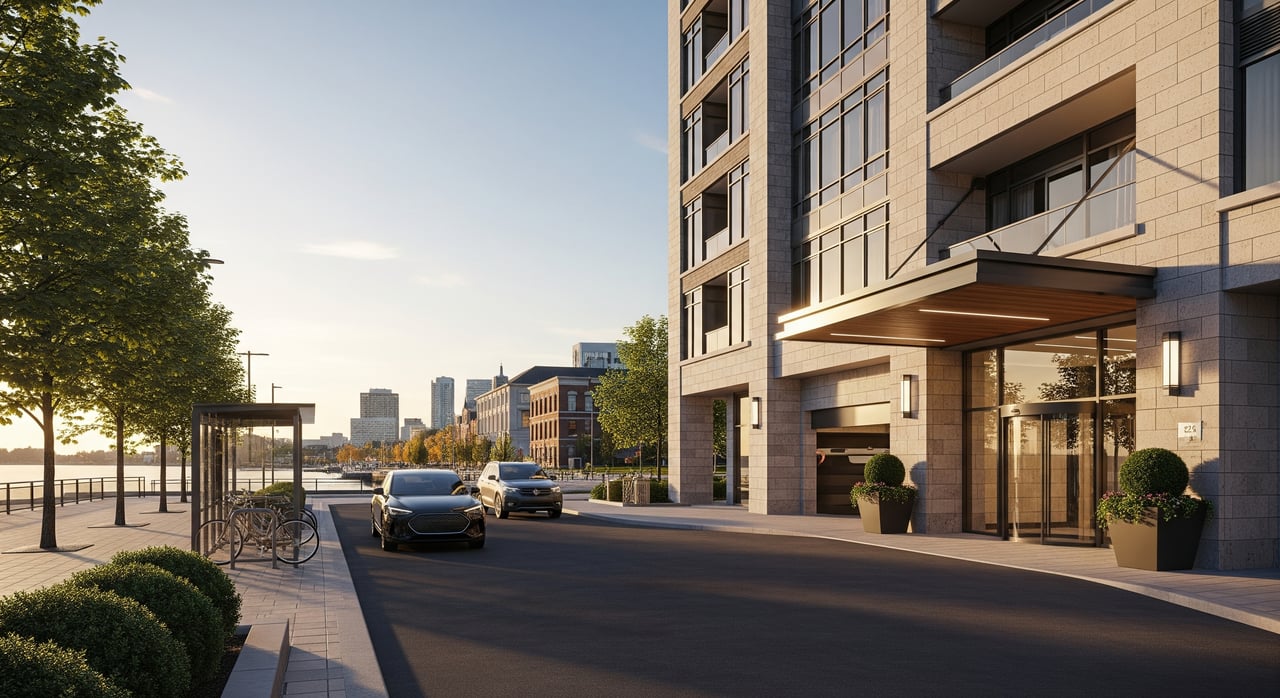
Downtown Barrie offers a mix of housing types. You will find condos and mid-rise apartments, townhomes, and older single-family homes within walking distance of shops, restaurants, and the waterfront. This is a higher-density, more walkable environment with proximity to regional services, including the hospital and a nearby college campus.
For buyers who want a shorter trip to GO, a lively core, and fewer daily car errands, Downtown Barrie is compelling. If you are considering a condo or townhome, the inventory here is broader than in Innisfil.
Innisfil options
Innisfil skews to detached homes on larger lots, newer subdivisions, and a lakeside lifestyle. You will also see recreational and seasonal properties along the shoreline. Mid- and high-rise condo choices are more limited than in Downtown Barrie, but you gain yard space, garages, and newer layouts.
Families who want room to grow and value privacy often prioritize Innisfil. The tradeoff is more frequent car use for errands and activities and, for transit commuters, the extra step of driving to a GO station.
Affordability and buyer profiles
Both areas have grown as GTA families look for more home for the money. Generally, Innisfil offers larger lots and more square footage for a given budget, while Downtown Barrie may command a premium for walkability and GO access. If you are moving from the GTA core, expect a shift in what your budget can buy compared with central Toronto, and weigh that against your time value and commute tolerance.
Lifestyle and family logistics
Day-to-day convenience and walkability
If you want to run errands on foot, grab dinner by the water, or bike to a park, Downtown Barrie’s walkability stands out. Many daily needs are clustered near the core, which reduces car dependence.
Innisfil’s newer subdivisions often require a car for groceries, activities, and commuting. If your family schedule is packed with sports and lessons, plan for drive time between neighborhoods.
Schools and childcare
Both communities are served by regional school boards. Catchment boundaries and program offerings can vary by address, so verify details early in your search. Licensed childcare availability can be tight, which is common in fast-growing communities near the GTA. Ask about current waitlists and enrollment timelines.
Healthcare and services
Barrie is home to the region’s major hospital, while Innisfil residents typically travel to Barrie for many specialized services. If quick access to healthcare is important, factor that into your neighborhood selection and daily routes.
Recreation and outdoors
Both Barrie and Innisfil offer access to Lake Simcoe, trails, and parks. Downtown Barrie blends urban amenities with waterfront recreation and cultural venues. Innisfil feels more small-town and lakeshore-oriented, which many families appreciate for weekend downtime.
Which is best for your commute?
- If you will drive to a GTA workplace most days, Innisfil’s position typically shortens the drive compared with Downtown Barrie.
- If you need dependable rail service and prefer to avoid highway driving, Downtown Barrie’s GO station is a major advantage.
- If you have a hybrid schedule, both can work. Many hybrid commuters choose Innisfil for space and accept a longer occasional trip, while others choose Downtown Barrie to keep GO access in their back pocket.
Door-to-door test and cost check
Do not rely on averages. Your door-to-door experience depends on your exact start and end points, departure time, and whether you need school drop-offs or daycare coverage.
Here is a simple validation plan:
- Run a live commute test both ways on a weekday. Do it at your actual start and end times, from at least two potential neighborhoods in each community.
- If considering GO, check peak and off-peak schedules and arrive early to confirm parking availability at the station. Note your total travel time, including last-mile connections.
- Build a monthly commute budget. Include fuel, parking, transit fares, vehicle wear, and any added childcare coverage if longer commutes shift pickup times.
- Repeat the test on a bad-weather day to see your worst-case scenario. Reliability matters as much as the best day’s time.
A practical cost estimate includes:
- Fuel: total monthly kilometers × your cost per kilometer (fuel price and economy)
- Parking: monthly campus or daily rates, or GO station costs if applicable
- Transit: monthly pass or single-ride fares if you split modes
- Vehicle: maintenance, tires, and depreciation
- Time: value your time for a full picture of tradeoffs
Decision scorecard
Use a simple 0 to 5 score for each category, then multiply by how important it is to your family. Compare totals for Downtown Barrie and Innisfil.
- Commute time and reliability
- Transit access and schedule fit
- Home size and yard space
- Walkability and daily convenience
- Schools and childcare logistics
- Healthcare and services access
- Recreation and community feel
- Long-term resale outlook
Your scorecard points you in a direction, but the live commute test and neighborhood visits should finalize your choice.
Before you buy: checklist
- Test door-to-door commutes during peak times from at least two neighborhoods in each area.
- Confirm GO train schedules, parking availability, and off-peak options if you work variable hours.
- Walk the blocks near potential homes morning, midday, and evening to gauge noise, traffic, and parking.
- Verify school catchments for specific addresses and ask about enrollment or waitlists.
- Check licensed childcare availability and hours; align with your commute schedule.
- Review municipal plans and construction that could affect traffic or future amenities.
- Compare property taxes, winter maintenance expectations, and local services like snow clearing and waste pickup.
- Consider seasonal traffic patterns if you plan frequent weekend travel.
How Tait Realty helps you decide
You deserve a move that fits your family’s routine and your long-term plans. As a boutique, high-touch team rooted in Simcoe County, we help you make a confident choice with practical, local insight. We will:
- Map and test your likely commute patterns from shortlisted homes in both Downtown Barrie and Innisfil.
- Curate listings that fit your lifestyle targets, such as walkable condos and townhomes near Barrie’s GO station or detached homes with larger yards in Innisfil.
- Coordinate a clear side-by-side comparison of costs, commute reliability, and neighborhood amenities.
- For sellers making a move, we offer integrated renovation guidance to maximize sale value and smooth your transition.
When you are ready, connect with us for a conversation about your goals and a customized plan. Reach out to Tait Realty at Tait Realty to get started.
FAQs
Which area has the shorter daily GTA commute by car?
- In general, Innisfil’s closer position to Toronto means a shorter drive than Downtown Barrie, but you should test your exact route during peak hours to be sure.
Is GO service from Downtown Barrie a dependable daily option?
- Many commuters rely on the Barrie line for predictable peak-hour trips; validate current schedules, parking availability, and total door-to-door time for your specific work hours.
How do housing types differ between Downtown Barrie and Innisfil?
- Downtown Barrie offers more condos, townhomes, and walkable older homes near services, while Innisfil leans toward newer detached homes on larger lots and lakeside properties.
Will upcoming projects change commute times soon?
- GO Expansion plans and periodic Highway 400 improvements could enhance reliability and frequency over time; timelines can shift, so monitor updates as part of your decision.
What hidden costs should families plan for when relocating?
- Beyond mortgage and taxes, budget for commute costs (fuel, parking, fares), possible extra childcare coverage, winter vehicle expenses, and maintenance for larger homes or lake-proximate properties.